Former Kindergarten Becomes Affordable Housing for Displaced Families in Ukraine
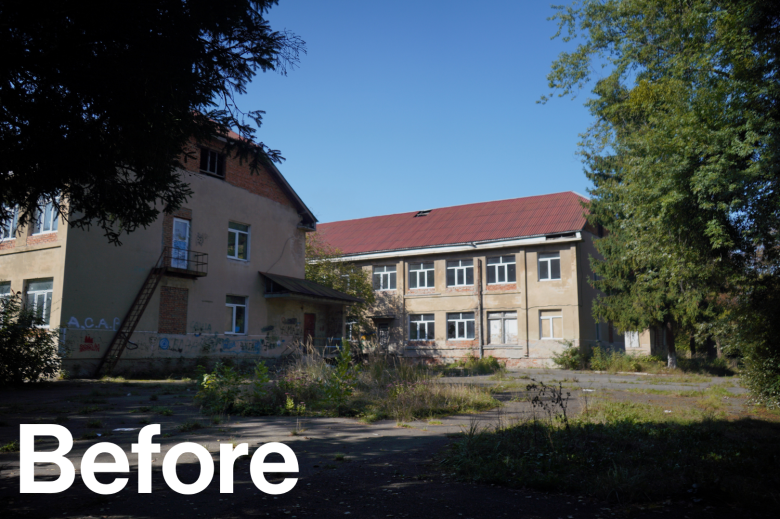
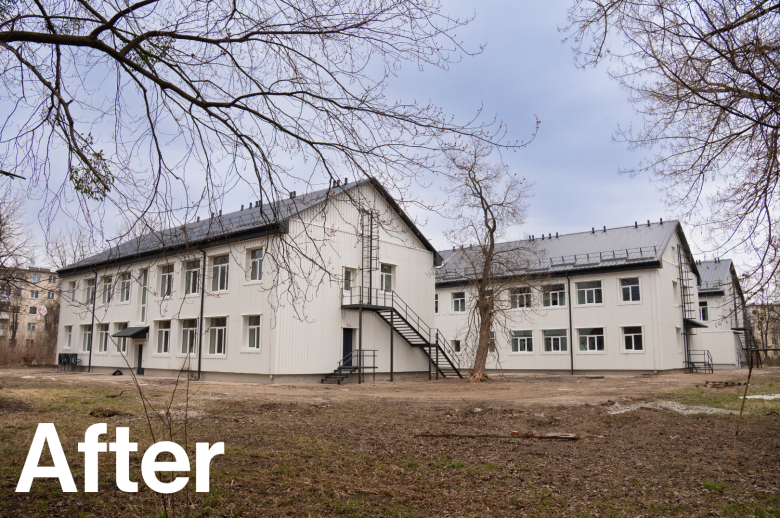
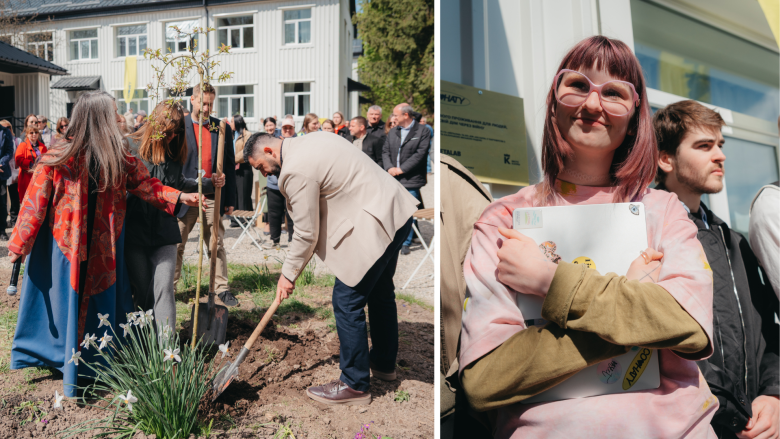
(Kalush, Ukraine – 30 April, 2026) Even as the war continues, Ukraine is rebuilding—not only its infrastructure, but also its communities. In the western Ukrainian city of Kalush, an abandoned kindergarten has been transformed into 48 modern, affordable apartments, providing homes for around 150 people. What was once an empty public building for over 20 years is now a vibrant residential complex for internally displaced families.
More than a reconstruction project, Kalush represents a new pilot model for Ukraine: housing that is fast, cost-effective, socially inclusive, and ready to be replicated across the country under the newly evolving housing policy framework.
A Housing Crisis Intensified by War
Kalush has become a place of both refuge and pressure. Since the start of the full-scale invasion, it has welcomed nearly 4,900 internally displaced people, while also hosting relocated businesses and services. This has placed significant strain on an already limited housing system.
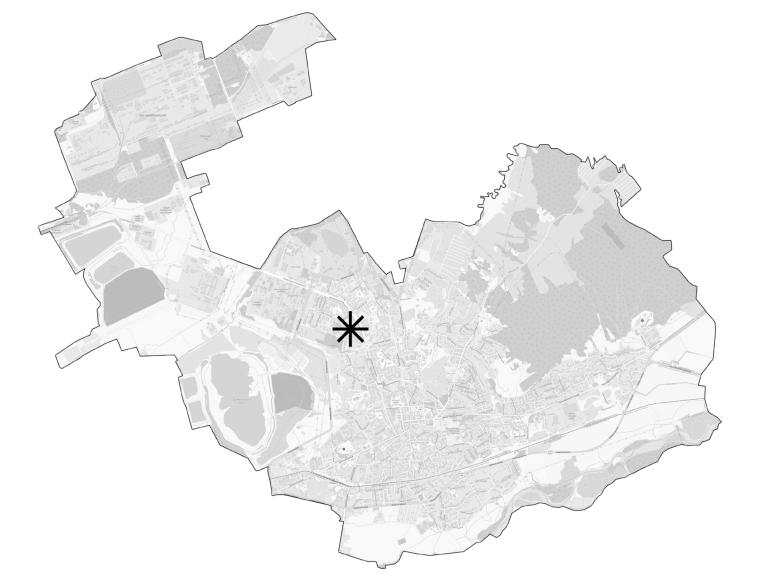
Today, Kalush has only 3 social housing units in the community. Temporary accommodation is also limited, with two dormitories and one collective center offering only a few available places at any given time. At the same time, demand has far outpaced supply. More than 1,000 households are on the official waiting list for housing support—numbers that were already high before the war began.
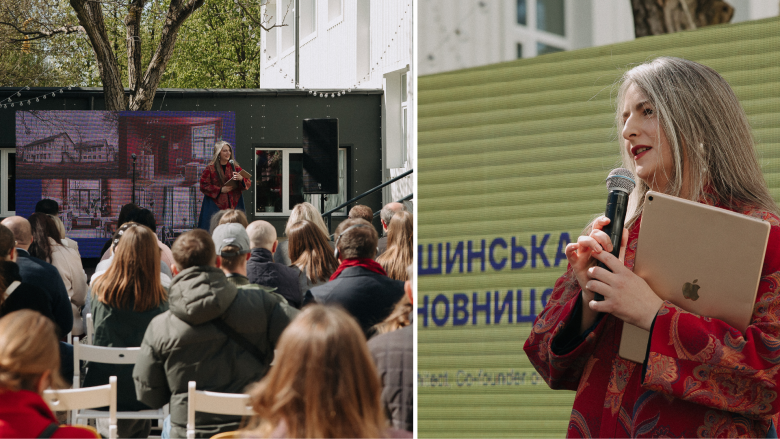
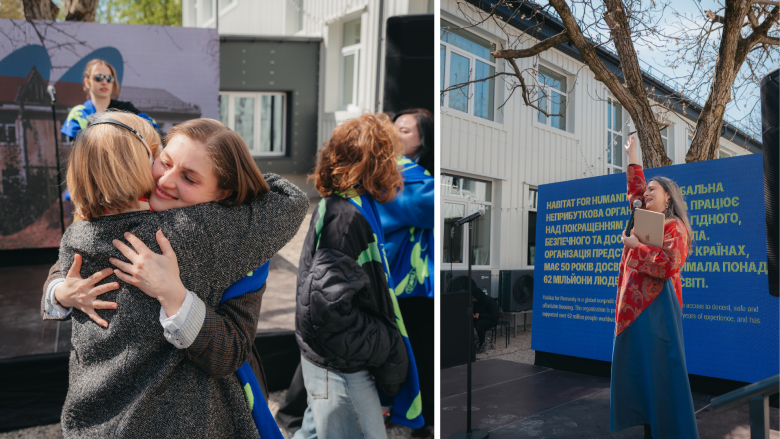
“In a time of war and forced displacement, housing is not an abstract issue. It is about safety, dignity, stability, and the opportunity to rebuild one’s life,” said Anna Pashynska, architect and co-founder of CO-HATY and METALAB, Habitat for Humanity’s main project partners.
Paradoxically, Kalush is not a city without housing— it is a city where access to housing remains a significant challenge. Local authorities estimate that around 2,000 apartments stand empty. Many belong to owners who have left or are unwilling to rent them out, leaving a large share of the housing stock unused.
The private rental market offers little relief. With limited listings—sometimes as few as 20 available units—competition is high and affordability is low. Even the most basic apartments can cost between UAH 4,000 to 12,000 per month (approximately EUR 80 to 240). For comparison, this is close to 70% of Ukraine’s monthly minimum wage, underscoring just how unaffordable private rent is for many families.
For families forced to flee from areas under attack, Kalush has offered something increasingly rare: safety and a chance to start again.
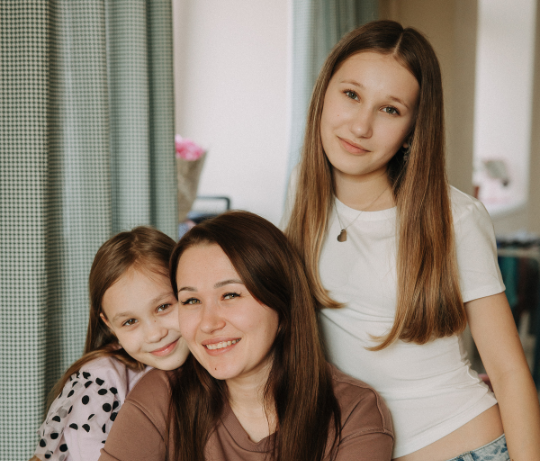
Nataliia, who moved from Sumy with her two children, said: “We arrived in November 2024. I put the children and two chinchillas in the car, and we set off for Kalush. We drove about a thousand kilometers. When heavy shelling began in our town, we decided to leave. It’s much calmer here; we’ve got used to it now. I can’t even imagine going back.”
From Kindergarten to Affordable Housing
At the center of Kalush stands the former kindergarten “Zirochka” — meaning “Little Star” in Ukrainian — a building deeply embedded in the city’s collective memory. For decades, it served as one of the city’s main early childhood institutions.
After the kindergarten was relocated to a newer facility, the building remained vacant for nearly ten years. Despite its central location—next to a primary school, shops, and sports facilities—it gradually fell into disuse.
Yet structurally, the building remained sound. Rather than demolish it, partners saw an opportunity to adapt it.
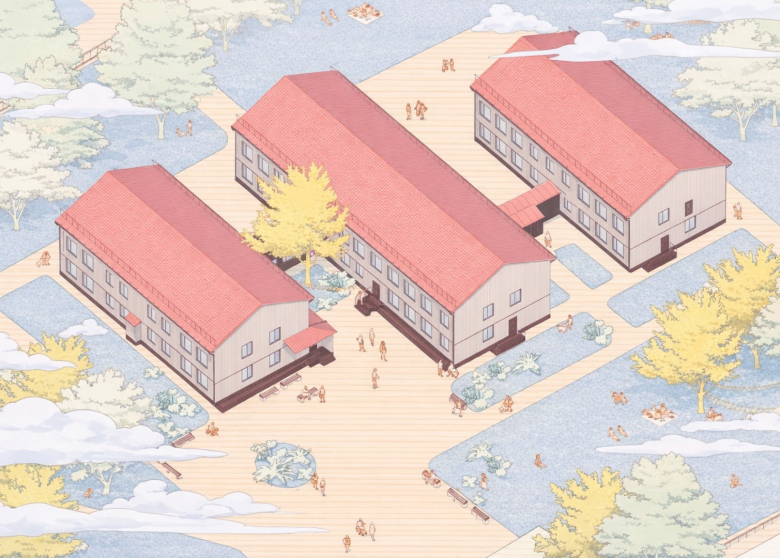
The result is a 2,100-square-meter residential complex consisting of three interconnected blocks across two floors. Today, it houses 48 apartments designed to accommodate a diverse group of residents.
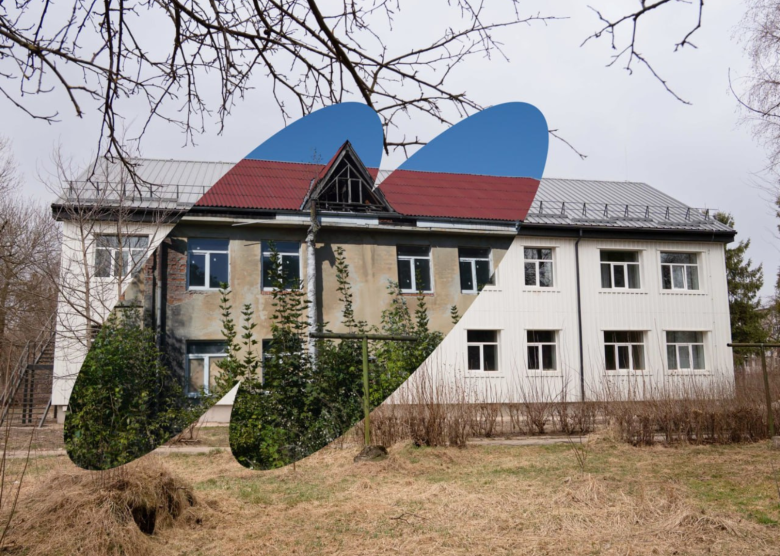
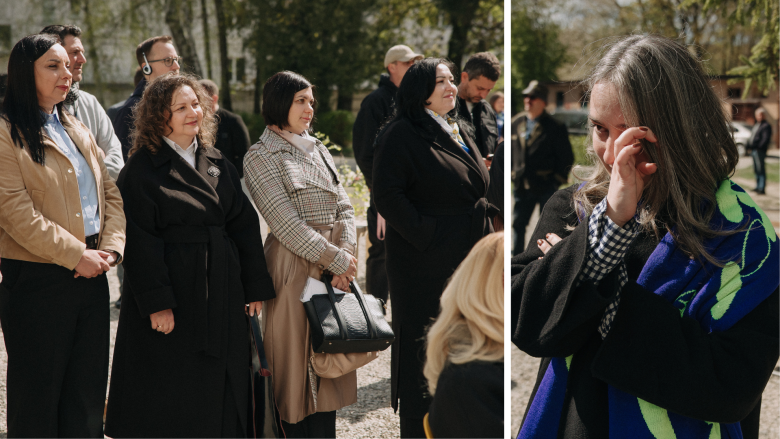
“My childhood memories of Zirochka have always been bright, and I am happy that these walls are now being filled with life again. Over the past years, thousands of Ukrainians have found comfort and safety in our community, becoming part of our large family. The opening of this social housing is a shared test of humanity — one we have passed together with benefactors, partners, and volunteers. It is truly gratifying that, starting today, even more Ukrainians will be able to say, ‘I am home!’” said Andrii Naida, Mayor of Kalush.

A Deep and Comprehensive Renovation
The transformation of the former kindergarten known to everyone in Kalush as “Zirochka” was far more than a cosmetic upgrade. It was a full-scale reconstruction that turned a long-standing public building into modern, energy-efficient housing.
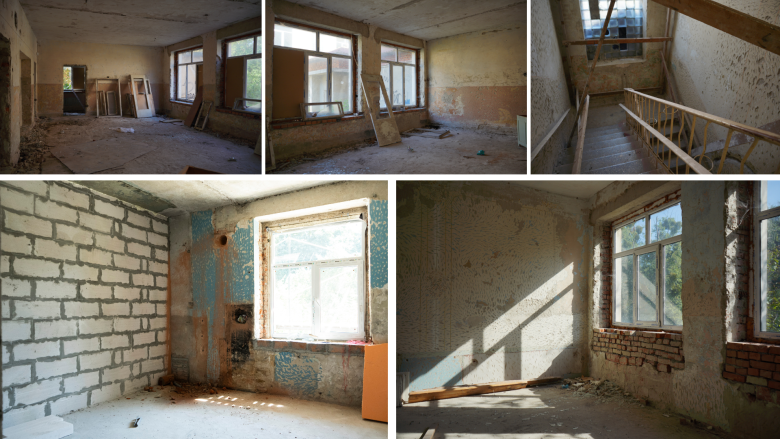
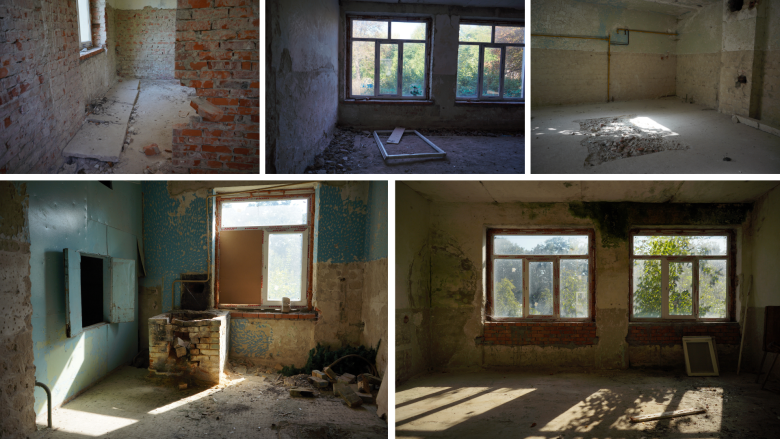
The construction and renovation works took more than nine months, while the overall project period spans three years, including preparation, planning, renovation, and final handover.
To adapt the building for residential use, it was renovated both inside and out. The layout was redesigned, new internal walls were installed, and the roof was fully replaced. Key engineering systems were also modernized, including electrical wiring, plumbing, heating, ventilation, water supply, sewage, and other utilities.
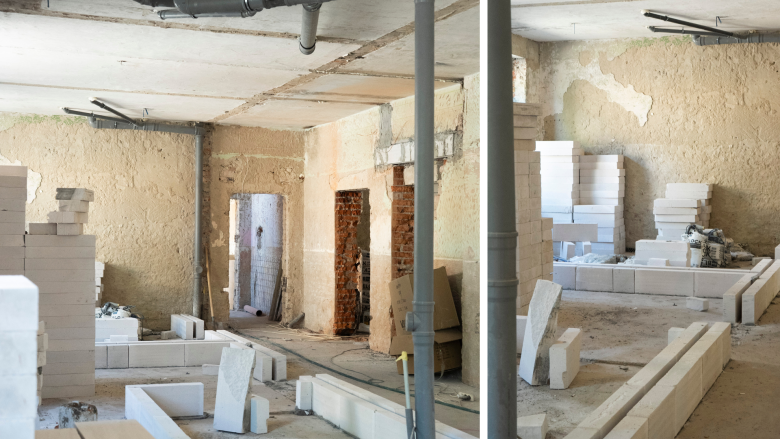
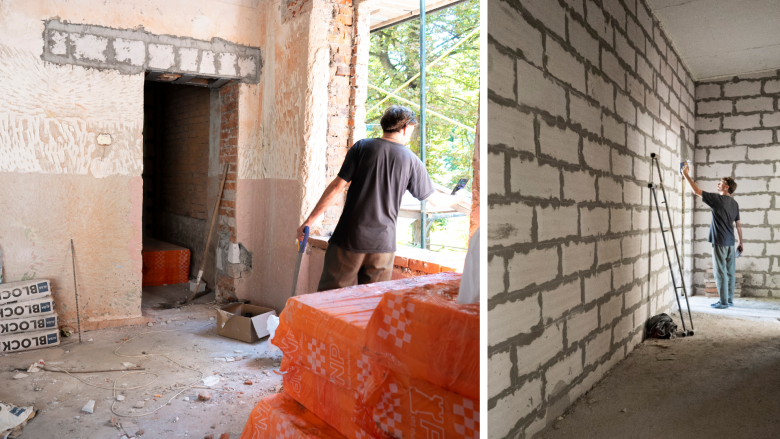
The building was also adapted to improve accessibility for people with disabilities. Fire safety was significantly upgraded through modern detection and protection systems.
A new 245 kW heat pump system now provides efficient heating throughout the building, supported by new radiators and restored ventilation shafts. As a result of the renovation, the building now meets energy efficiency class B, marking a major improvement over its previous condition.
Sustainability and Smart Resource Use
Sustainability was integrated into every stage of the project.
Rather than demolish and rebuild, the project prioritized adaptive reuse—preserving the existing structure and minimizing construction waste.
Recycled and reused materials were incorporated throughout the building, including carpets, linoleum, glass blocks, and fittings. Furniture and appliances were largely donated by partners, reducing both costs and environmental impact.
Water systems were upgraded, with quality testing and filtration installed where needed. Waste management is also being addressed as part of the housing management system, with plans to establish recycling and reuse practices among residents.
Energy efficiency will continue to be monitored after occupancy. A technical specialist will track energy consumption and optimize system performance, while residents will receive training on how to use systems efficiently.
Designing Housing Within an Existing Structure
One of the most unique aspects of the Kalush project is how the new housing design was shaped by the original kindergarten layout.
Instead of fully restructuring the building—which would have increased costs and waste—the project team chose to adapt the apartments to the existing structure. This resulted in a variety of layouts, with each apartment slightly different.


The complex includes studio apartments, one-bedroom units, two-bedroom units and shared apartments. Sizes range from 20 to 68 square meters. Most apartments are fully equipped with a private kitchen and bathroom, and furnished with essential items—many of them donated. Some apartments have shared bathrooms and kitchens.
Because many residents arrive with few or no belongings, this level of readiness is essential.
“We were so delighted that my daughter would have her own room — everything new, clean, and thoughtfully prepared, even the little things. The place is spacious, and the neighbourhood is lovely.” said Yuliia, a resident of Zirochka, who moved from Kherson with her teenage daughter.
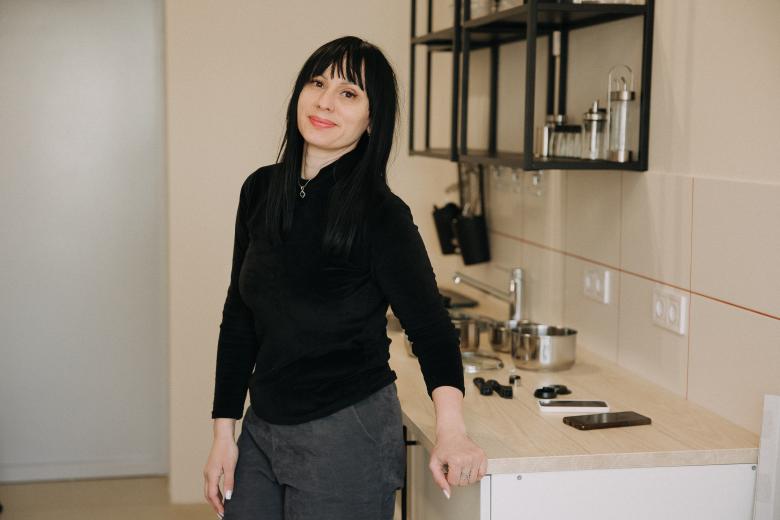
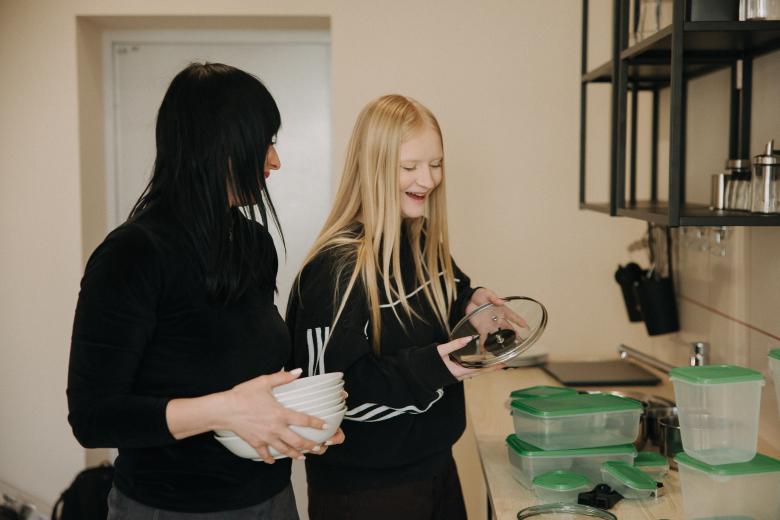
Accessibility was also a key priority. Two apartments are fully adapted for wheelchair users, including specialized bathrooms, wider doorways, and external ramps. All communal areas are barrier-free.
Housing with a Human Focus
The Kalush project is deeply rooted in social impact.
The 48 apartments are home to internally displaced households from across Ukraine, including eastern regions heavily affected by the war such as Kherson, Zaporizhia, Donetsk, Sumy, Kharkiv, Dnipropetrovsk, Luhansk, Mykolaiv.
The resident profile reflects some of the most vulnerable groups:
- A majority of residents are women and children (90 %)
- Many households are female-led, where the woman is the primary caregiver (65%)
- A significant portion are elderly, including people with limited mobility (almost 30 %)
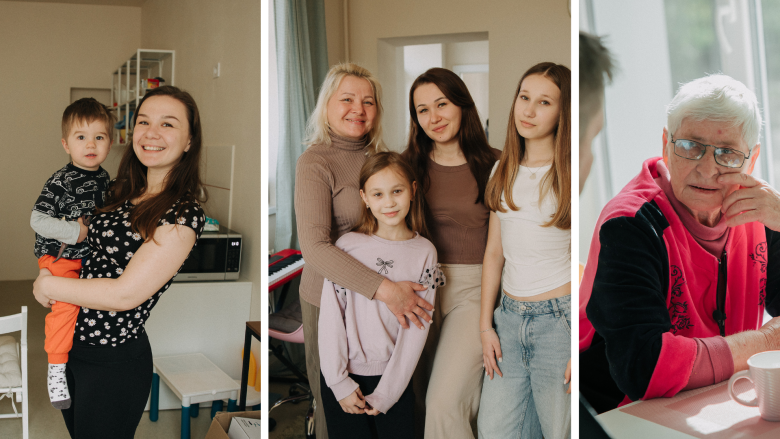
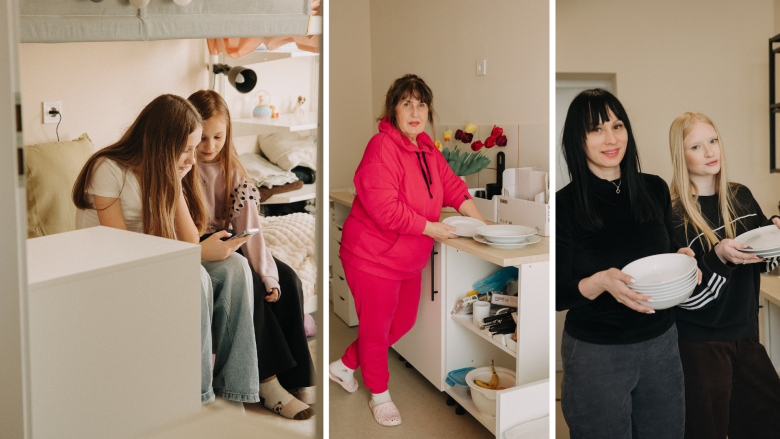
Residents were selected through a transparent and structured process aligned with Ukrainian legislation. A dedicated Tenant Selection Committee—comprising municipal representatives, NGOs, and project partners—oversaw the process. The automated procedure for selecting applications based on different criteria was developed specifically for the project.
An open call was launched, supported by online applications, social media outreach, and in-person assistance sessions to ensure inclusivity.
Ultimately, 48 families were selected based on a points-based system that considered vulnerability, displacement status, and housing need.
Beyond Housing: Building Community
The project goes beyond providing apartments—it creates a support system.
Residents benefit from:
- Long-term, stable housing agreements
- Affordable monthly contributions (from UAH 1,900 to UAH 6,600, which is approximately EUR 35 to EUR 140) depending on the size of the unit.
- Reduced energy costs due to efficient systems
- Access to social support services
“We like Kalush — we’ve settled in somehow; we’ve made lots of acquaintances here, and I know plenty of people. And you know, our people here have been through the same things we have. They understand, and there’ll be a real community here. So we’re all in this together,” said Antonina, a resident of Zirochka.
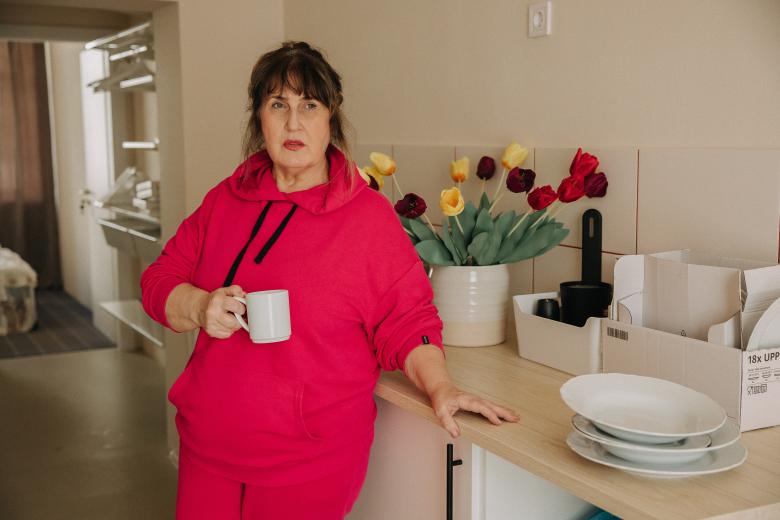
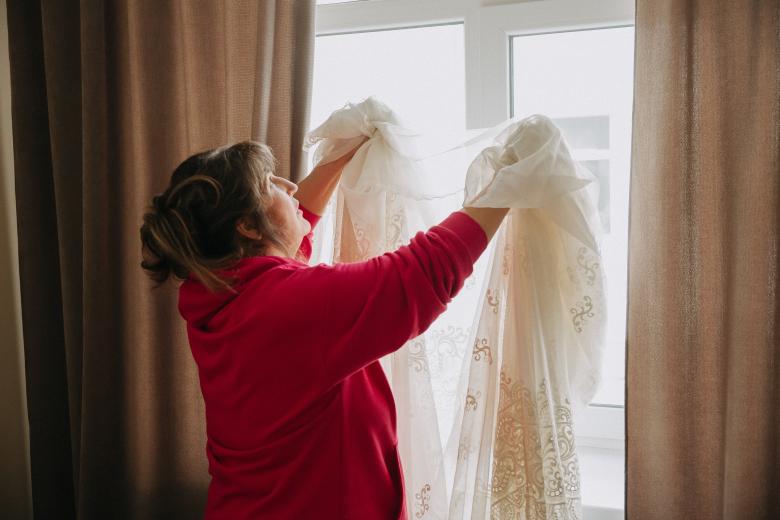
Community engagement is a central component. Dedicated staff support residents with integration, referrals to services, and conflict resolution.
Job support initiatives have already been organized, particularly targeting women, helping them access employment opportunities within the local economy.
Future plans include an intergenerational playground, a greenhouse built from recycled materials, community activities that foster connection and mutual support, and more.
A Model for Ukraine’s Future
Kalush is not just a one-time success—it is a pilot model of affordable housing.
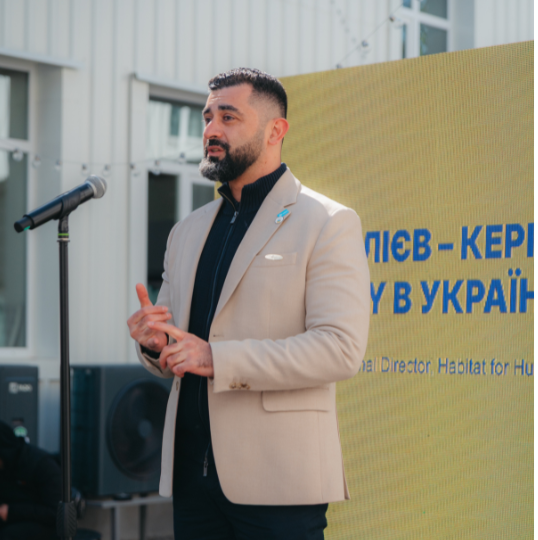
“Zirochka is a pilot model of affordable housing with the potential to be scaled across Ukraine. It is important for us that this project becomes an example for other cities seeking long-term and sustainable housing solutions,” said Orkhan Aliyev, National Director of Habitat for Humanity in Ukraine.
The project comes at a critical moment for Ukraine’s housing sector. The Government of Ukraine is advancing a comprehensive housing policy reform, including new legislation developed together with international partners. The new policy framework aims to expand access to affordable rental housing and introduce a European-style model of social housing. In this context, pilot projects such as Zirochka are helping to test practical mechanisms on the ground and inform future approaches to housing legislation and municipal housing strategies.
“Today, the Government is working on a comprehensive reform of housing policy, and the Law on the Basic Principles of Housing Policy, developed jointly with international partners, has already entered into force. The new housing policy framework provides for the creation of affordable rental housing and a European model of social housing. The Ministry for Development is working with Habitat for Humanity on legislative reform, while affordable housing pilot projects implemented by partners make it possible to test mechanisms in practice and integrate the best approaches into new legislation,” said Nataliia Kozlovska, Deputy Minister for Communities and Territories Development of Ukraine.
Over the next 12 months, the project will serve as a testing ground for a non-profit, people-centered housing management model. This includes developing systems for maintenance, community support, and financial sustainability.
A Model for Europe
The story from Kalush reflects a broader European challenge: millions of homes and public buildings remain vacant, while affordable housing shortages continue to grow and the building sector remains a major source of carbon emissions. Building on Habitat for Humanity’s Empty Spaces to Homes approach, the Zirochka project shows how adaptive reuse can turn underused buildings into safe, affordable homes while reducing costs and environmental impact.
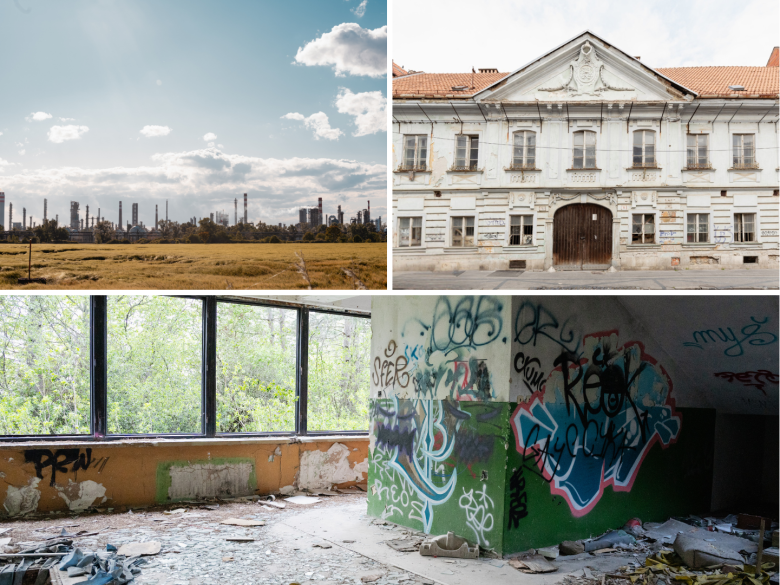
Across Europe, the scale of the issue is significant. The building sector is responsible for approximately 36% of CO₂ emissions and 40% of energy consumption in the European Union.
At the same time, more than 2 million people experience homelessness each year across Europe and OECD countries, while nearly 900,000 people are homeless on any given night. Yet more than 47 million homes across Europe are estimated to stand empty.
While the Zirochka project is unique to Kalush, Ukraine, its lessons apply far beyond one city. It demonstrates that adaptive reuse can create affordable housing quickly, at lower cost, and with reduced carbon emissions — while also preserving community assets, revitalizing unused spaces, and giving families access to safe, dignified homes.
Acknowledgements
The project was implemented by Habitat for Humanity, METALAB, CO-HATY, and Kalush City Council.
More than 20 national and international partners supported the project, with Aktion Deutschland Hilft (ADH) as the largest donor. Other partners include Alborada Trust, ArcelorMittal Construction, BEKO, Berliner Leben StiftungGewobag, Caparol Ukraine, Daughters of Jesis, Employee Foundation of VKR Group, Foundation SOMFY, Gimmersta Wallpaper AB, Graitec, HoffnungsBAUer, IKEA, IWO Housing Initiative for Eastern Europe, IM Swedish Development Partner, James Hardie Europe GmbH, Laudes Foundation, M&G, Postcode Lotterie, Promprylad, RE-WIN, RE System, Saint-Gobain Foundation, Swiss Krono.
The transformation of Zirochka project was realized under the Empty Spaces to Homes initiative — a Habitat’s European effort to unlock the potential of vacant buildings and turn them into affordable, low-carbon homes.
This initiative is initiated and supported by our main partners: M&G, Laudes Foundation, and Employee Foundation of VKR Group.
We extend our sincere gratitude to all partners for their trust, vision, and long-term commitment. Their support demonstrates that even in times of crisis, vacant buildings can become safe, dignified homes—and catalysts for resilient, forward-looking communities in Ukraine and beyond.
Read more about our Empty Spaces to Homes initiative here.